Ви можете обрати мову, якою в подальшому контент сайту буде відкриватися за замовчуванням, або змінити мову в навігації сайту
Dry Mix Production Line: Equipment Configuration
03.08.2026748 Page views
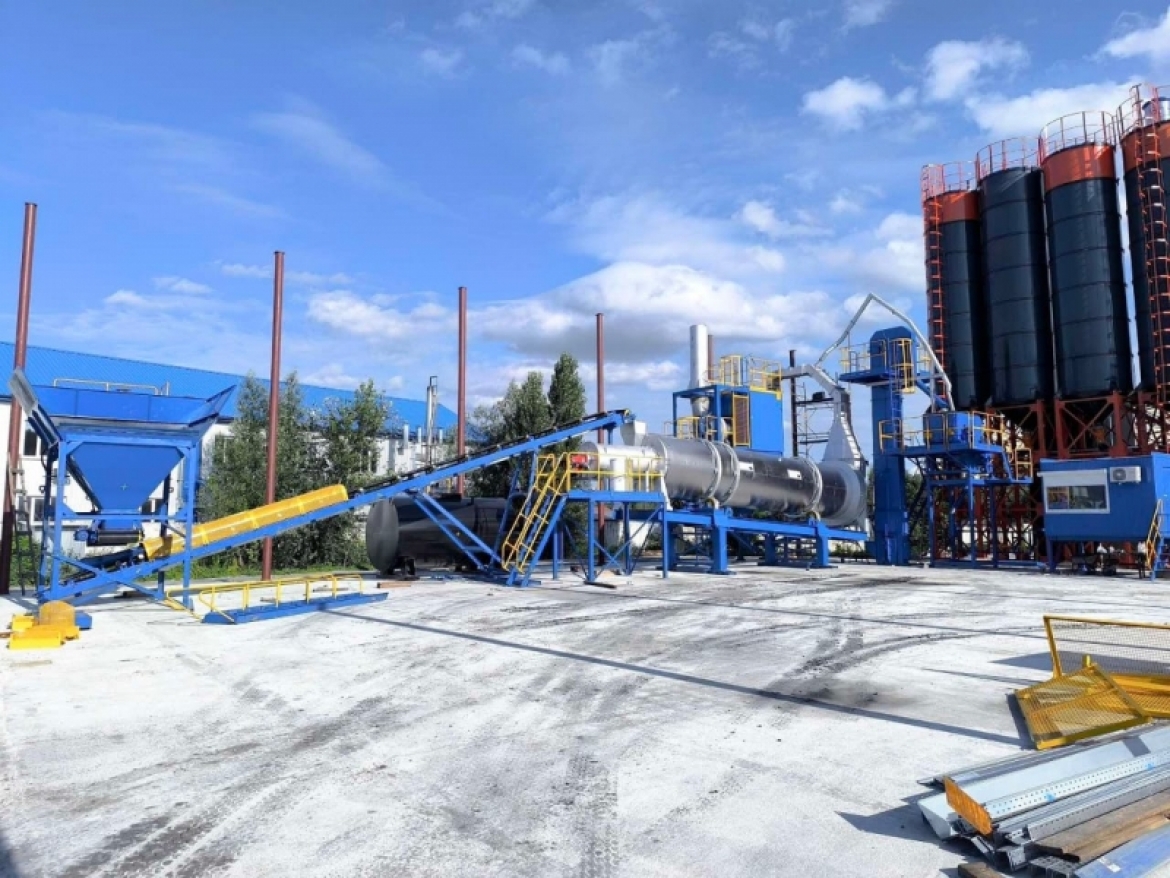
A modern dry mix production line is an integrated industrial system designed for the production of high-quality dry construction materials. Such equipment ensures a stable supply of masonry mortars, plaster mixes, tile adhesives, and other dry building products for construction projects.
A properly selected equipment configuration directly affects product quality, minimizes production waste, and improves overall plant profitability. When expanding production capacity, it is also advisable to consider reliable concrete batching plants, which effectively complement dry mix manufacturing operations.
What Is a Dry Mix Production Line?
A dry mix production line is a complete set of interconnected process units, each performing a specific technological function. The line enables the large-scale production of tile adhesives, gypsum plasters, self-leveling compounds, repair mortars, and other dry building mixtures.
Modern dry mortar production equipment is widely used by both large industrial manufacturers and regional producers. The process equipment is designed to prevent moisture from entering the production cycle, protecting hygroscopic binders and ensuring stable product quality.
The production technology is based on precise batching algorithms, automated process control, and compliance with applicable industry standards. Modern plants produce highly homogeneous mixtures without lumps while maintaining consistent quality from batch to batch. Production lines can be easily adapted to manufacture products according to customer-specific formulations, providing contractors with durable, high-quality building materials with an extended shelf life.
Equipment Configuration of a Dry Mix Production Line
Raw Material Storage, Conveying and Batching System
Proper raw material preparation and storage form the foundation of efficient plant operation. A standard production line includes storage silos for cement, gypsum, lime, mineral fillers, and other bulk materials.
Continuous conveying systems, including screw conveyors and bucket elevators, transport raw materials to the weighing units without interrupting the production cycle. Accurate dosing is achieved using industrial load cells integrated into the batching system.
When wet aggregates are used, the production line is equipped with a KDM265 sand and mineral material dryer, ensuring that raw materials reach the required moisture content before entering the mixing process.
Mixing Equipment
The mixer is the core component of every dry mix production plant, as it determines the final homogeneity of the finished product.
Modern plants utilize either single-shaft or twin-shaft forced-action paddle mixers, where sand, binders, mineral fillers, and chemical additives are intensively blended within a short mixing cycle.
Optimized paddle geometry provides thorough homogenization without damaging fragile aggregate particles. Wear-resistant cast-iron paddles and abrasion-resistant internal liners significantly extend equipment service life while reducing maintenance requirements.
Automated Control System and Dust Collection
A modern dry mix production line cannot operate efficiently without an advanced automated control system.
The PLC-based control system enables operators to monitor and manage the entire production process from a single workstation, store multiple production recipes, and automatically adjust process parameters. If operating conditions deviate from preset values, the control system safely stops the equipment and alerts the operator.
To ensure environmental protection and workplace safety, the plant is equipped with a high-performance dust collection and aspiration system. Baghouse filters efficiently capture cement dust and return the recovered material to the production process, reducing raw material losses and improving overall efficiency.
Finished Product Packaging Equipment
The final stage of the production process is the packaging of finished products into valve bags or FIBCs (big bags).
To maximize productivity, production lines are equipped with automatic bagging machines featuring pneumatic filling systems. Integrated electronic weighing systems automatically stop material feeding once the preset weight is reached, ensuring high filling accuracy and minimizing product loss.
Packaging stations are fitted with valve sealing systems that prevent material leakage during handling, storage, and transportation.
Auxiliary Equipment
In addition to the main process units, every dry mix production line includes a range of auxiliary equipment that ensures stable and reliable operation.
Typical auxiliary equipment includes:
-
air compressors;
-
pneumatic distribution systems;
-
bin vibrators that prevent material bridging inside hoppers;
-
vibrating screens for removing oversized particles;
-
magnetic separators for extracting ferrous contaminants from raw materials.
Although these components are secondary to the main production process, they play a critical role in preventing equipment failures, maintaining continuous material flow, and improving overall plant reliability.
How a Dry Mix Production Line Works
A dry mix production line operates according to a fully controlled technological sequence, where every stage is performed automatically and with high precision.
The process begins with raw material reception, drying (if required), and storage in sealed silos. Based on the selected recipe, the control system accurately doses sand, cement, mineral fillers, and chemical additives into weighing hoppers.
After weighing, all components are discharged into the mixer, where they are blended until a homogeneous mixture is achieved. The finished product then undergoes quality control before being transferred to the packaging section.
Production Process Flow
-
Raw Material Reception – unloading cement tankers, receiving sand and chemical additives.
-
Storage – storing dried materials in dedicated silos.
-
Material Conveying – transporting materials by screw conveyors and bucket elevators.
-
Batching – automatic weighing of all components according to the production recipe.
-
Mixing – intensive homogenization in a forced-action paddle mixer.
-
Quality Control – laboratory testing of physical and chemical properties.
-
Packaging – filling finished products into bags or FIBCs followed by shipment to customers.
What Affects Dry Mix Production Line Capacity?
The actual production capacity depends on several technical and operational factors.
The most significant factor is the useful capacity of the main mixer and the speed of its discharge cycle. Overall plant output is also influenced by the throughput of the packaging equipment and the efficiency of warehouse logistics.
Reliable raw material supply is equally important, as uninterrupted operation eliminates costly production downtime.
Plant productivity can be further increased through modernization of weighing systems, installation of high-capacity pneumatic conveying equipment, and regular preventive maintenance. Proper servicing minimizes unexpected failures and helps maintain consistently high production performance.
How to Choose Dry Mix Production Equipment
Selecting the right production line requires careful evaluation of current production requirements and future business plans.
Before purchasing equipment, manufacturers should determine:
-
required production capacity;
-
number of product formulations;
-
range of dry mixes to be produced;
-
available production area;
-
desired level of automation.
It is recommended to purchase equipment from an experienced manufacturer capable of providing a complete solution—from engineering design and manufacturing to installation, commissioning, and after-sales service.
The availability of genuine spare parts, mixer paddles, wear liners, filters, and technical support should also be considered.
Choosing a modular production line allows future expansion without replacing the entire system. Professional engineering support during project planning helps optimize investment costs while ensuring long-term operational reliability.
Advantages of Modern Automated Dry Mix Plants
Modern automated dry mix plants provide manufacturers with significant competitive advantages.
Automated process control minimizes human error and ensures consistent product quality. High-precision batching reduces the consumption of expensive chemical additives while maintaining formulation accuracy.
Modern production lines also offer:
-
high productivity;
-
energy-efficient operation;
-
compact plant layout;
-
reduced maintenance costs;
-
flexible production of multiple formulations;
-
stable product quality;
-
lower operating expenses.
Investing in modern automated equipment increases production efficiency and ensures fast return on investment.
Looking to build a profitable dry mix production facility?
Contact the engineering specialists at PJSC Kredmash for professional assistance in selecting the optimal equipment configuration for your project. Our experts will help you choose the most suitable solution based on your production requirements and business objectives.
FAQ
What equipment does a dry mix production line include?
A standard production line includes storage silos, batching units, mixers, packaging equipment, dust collection systems, conveying equipment, and an automated control system. The mixer is the central component of the plant.
What products can be manufactured on a single production line?
A modern dry mix plant can produce tile adhesives, plasters, repair mortars, self-leveling compounds, putties, masonry mortars, and other dry building materials. Product changeover is performed through the automated control system.
What determines production capacity?
Production capacity depends primarily on mixer volume, batching speed, material conveying efficiency, and packaging system throughput.
Why is an automated control system important?
The control system automates the entire production process, ensures accurate batching, stores multiple production recipes, minimizes human error, and improves product consistency.
What is the purpose of the dust collection system?
The dust collection system captures airborne cement dust, protects personnel and the environment, and returns collected material to the production cycle, reducing raw material losses.
How should production equipment be selected?
Equipment should be selected according to the required production capacity, product range, available plant space, desired level of automation, and future expansion plans. Working with an experienced equipment manufacturer ensures reliable long-term operation and comprehensive technical support.
Publish in social networks
Blog
see all
Drying Equipment for Mineral Materials: Technologies and Applications
28.09.2026188 Page views
learn more
How to Calculate Cement, Sand, and Crushed Stone Requirements for a Concrete Plant
28.09.2026249 Page views
learn moreFind a dealer in your region
Leave a request
Оберіть мову контенту
comments