Ви можете обрати мову, якою в подальшому контент сайту буде відкриватися за замовчуванням, або змінити мову в навігації сайту
Asphalt Mixing Plant Productivity: How to Improve Plant Efficiency and Optimize AMP Performance
23.07.2026826 Page views
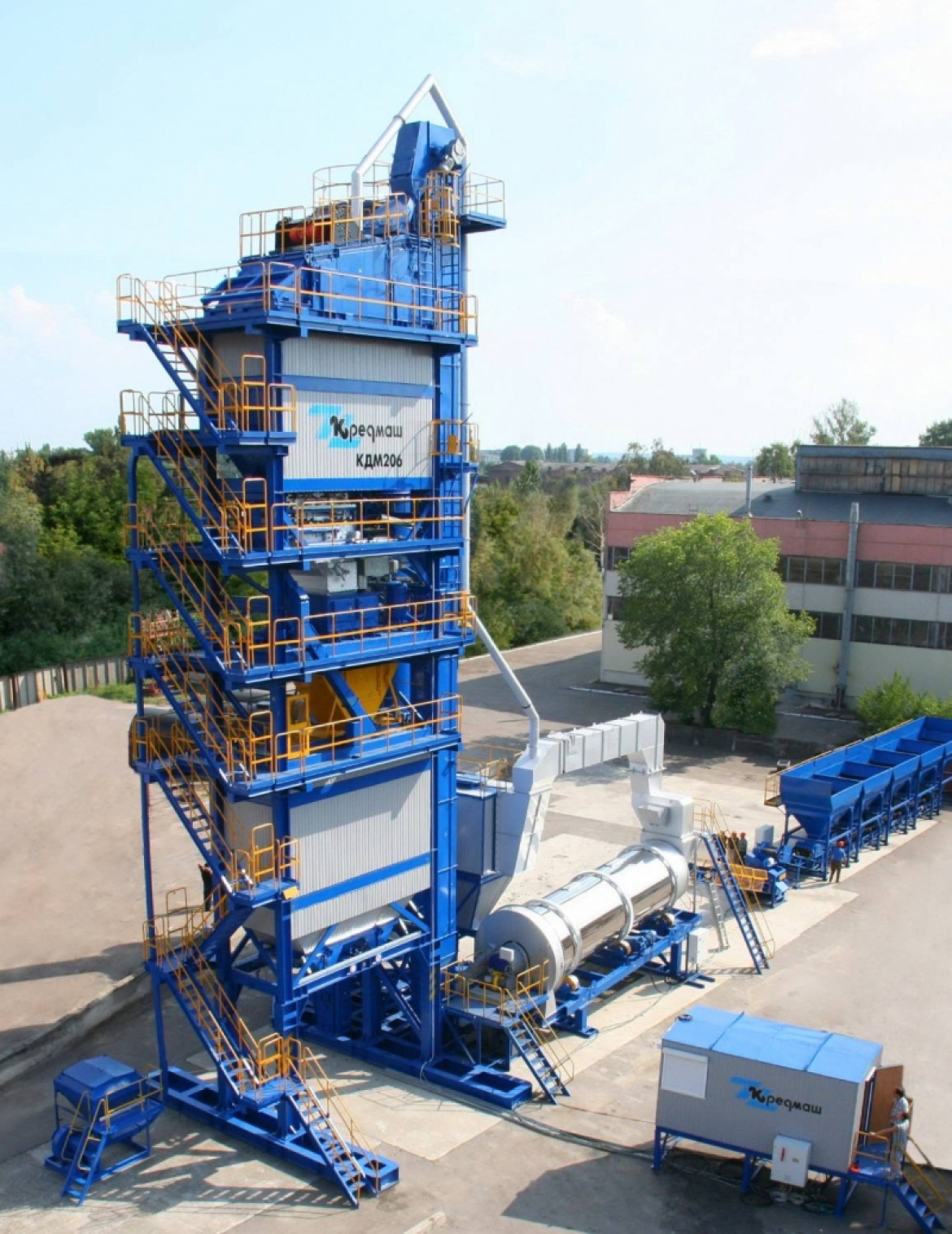
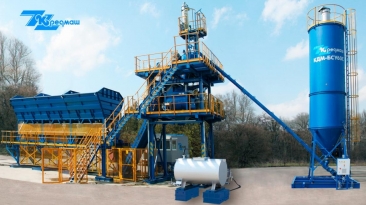
High productivity of an asphalt mixing plant is a key factor in the profitability of any road construction enterprise. Compliance with national and international quality standards requires proven engineering solutions to ensure the stable production of high-quality asphalt mixtures.
This article examines the key factors affecting asphalt mixing plant productivity and explores practical methods for increasing production capacity through automation, equipment modernization, and process optimization, ultimately reducing the production cost per tonne of asphalt mixture.
Asphalt Mixing Plant Productivity and Influencing Factors
The overall efficiency of an asphalt mixing plant depends on both environmental conditions and technical parameters, including:
- Moisture content of mineral aggregates: every additional 1% of moisture in sand increases fuel consumption by approximately 10–15%.
- Ambient temperature and relative humidity.
- Preventive maintenance and the availability of spare parts.
- The level of automation of batching, heating, and mixing processes.
Ignoring these factors inevitably reduces plant performance. For example, storing aggregates outdoors with a moisture content of 7–8% may decrease actual production capacity by 30–40%, as a significant portion of thermal energy is consumed to evaporate moisture instead of heating the aggregates.
How Asphalt Mixing Plant Productivity Is Calculated
The nominal production capacity specified by the manufacturer is based on aggregate moisture levels of 3–5% under standard operating conditions.
In practice, plant engineers adjust production estimates according to the actual moisture content of raw materials, aggregate bulk density, and prevailing weather conditions.
A complete production cycle includes aggregate feeding, drying, weighing, mixing with bitumen, and discharge of the finished asphalt mixture.
According to the specialists at PJSC Kredmash, accurate productivity calculations must also consider the batching cycle of the mixer as well as truck logistics for transporting the finished mixture from the plant.
How to Increase Asphalt Mixing Plant Productivity
Improving plant productivity depends on proper raw material preparation, qualified personnel, and the technical condition of the equipment.
Effective optimization begins with protecting aggregate stockpiles from precipitation by constructing covered storage areas. This significantly reduces fuel consumption during aggregate drying.
At the same time, precise synchronization between wheel loaders and the cold feed system eliminates interruptions in the material supply process and prevents unnecessary conveyor downtime.
Optimizing Asphalt Mixing Plant Operation
Using properly dried aggregates prevents excessive consumption of expensive liquid or gaseous fuel.
In addition, efficient asphalt plant operation requires perfect coordination between wheel loaders and cold feed bins to ensure uninterrupted material flow throughout the production process.
Maintaining a continuous material supply allows the dryer drum to operate at a stable temperature while reducing the thermal load on the burner system.
As a result, stable process conditions improve production consistency and help maintain the required quality characteristics of the asphalt mixture.
The integration of automatic material feed control systems minimizes the influence of human factors on production while reducing energy consumption and improving the overall reliability of the asphalt mixing plant.
Reducing Asphalt Mixing Plant Downtime
Maintaining an inventory of critical spare parts—including wear liners, mixer paddles, and vibrating screen meshes—is essential for minimizing downtime and improving plant profitability.
Original Kredmash spare parts ensure dimensional accuracy, full compatibility with plant equipment, and extended service life.
Efficient truck dispatching is equally important. Proper organization of truck movements prevents congestion beneath the storage silo and enables uninterrupted mixer operation without unnecessary production stoppages.
Minimizing plant downtime allows operators to maximize production capacity during peak construction seasons while improving overall economic efficiency by spreading fixed operating costs across larger production volumes.
Furthermore, systematic downtime reduction requires well-organized logistics for transporting hot asphalt mixtures from the plant to the paving site, ensuring continuous and efficient production.
Technological Processes Affecting Asphalt Mixing Plant Efficiency
A modern asphalt mixing plant is a sophisticated industrial system in which even minor deviations from specified operating parameters may compromise the quality of the finished asphalt mixture.
Maintaining uninterrupted production requires a comprehensive understanding of every stage of the manufacturing process, from raw material preparation to final discharge of the finished product.
Plant engineers and process technologists must continuously monitor incoming aggregates before they enter the cold feed bins. Strict compliance with applicable technical specifications and production standards is essential for ensuring consistent asphalt mixture quality.
Asphalt Production Process
The asphalt production process consists of a precisely controlled sequence of automated operations.
Cold mineral aggregates are conveyed from the cold feed bins to the rotary dryer drum, where they are heated to the specified temperature by a high-efficiency burner while moisture is removed.
After drying, the heated aggregates are transported by the hot aggregate elevator to the vibrating screening unit, where they are separated into individual size fractions before being transferred to the hot aggregate bins.
A properly configured production process eliminates delays during hot aggregate screening and ensures a continuous supply of correctly graded aggregate fractions for batching.
Aggregate Batching and Temperature Control
Accurate proportioning of mineral aggregates and precise dosing of heated bitumen are among the most critical stages of asphalt mixture production.
Highly sensitive load cells installed on all weighing hoppers ensure precise batching of each component in accordance with the selected asphalt mix design while minimizing measurement deviations.
Equally important is maintaining the specified asphalt production temperature throughout the manufacturing process.
The plant's microprocessor-based process control system continuously monitors and regulates operating temperatures.
Excessive heating accelerates bitumen aging and negatively affects binder performance, while insufficient heating prevents proper coating of aggregate particles, reducing the quality and durability of the finished asphalt mixture.
Equipment Modernization
Scheduled modernization is one of the most effective ways to prevent unexpected equipment failures and improve plant productivity.
Priority modernization measures typically include installing energy-efficient equipment, upgrading process units, and implementing modern multi-stage baghouse dust collection systems.
Replacing outdated plant components with modern factory-engineered assemblies increases production efficiency while ensuring stable production of high-quality asphalt mixtures.
Dryer Drum and Twin-Shaft Pugmill Mixer
The rotary dryer drum is one of the most critical units within an asphalt mixing plant.
Installing a variable-frequency drive on the exhaust fan together with modern internal flighting improves thermal efficiency and reduces fuel consumption.
The twin-shaft pugmill mixer, featuring optimized paddle geometry and mixing kinematics, provides thorough and uniform coating of mineral aggregates with bitumen.
Modernization of these key process units significantly increases daily production capacity while maintaining consistent asphalt mixture quality.
Asphalt Mixing Plant Automation and Modernization
In today's highly competitive market, efficient asphalt production is no longer possible without advanced automated process control systems.
Modern automation enables operators to store hundreds of asphalt mix recipes within the control system and switch between production programs quickly and accurately.
Comprehensive plant modernization provides plant technologists with real-time monitoring of all major process units through a centralized operator interface.
In addition, intelligent automation systems generate accurate production reports, including bitumen consumption, aggregate usage, fuel consumption, and production output, minimizing human error while improving production transparency and operational control.
Improving Asphalt Mixing Plant Efficiency and Productivity
The true efficiency of an asphalt mixing plant is measured not only by the total volume of asphalt mixture produced but also by the production cost per tonne and the overall profitability of the operation.
By implementing energy-efficient technologies and optimizing internal production logistics, road construction companies can significantly improve operational efficiency and achieve sustainable financial performance.
Even a modest reduction in liquid or gaseous fuel consumption can result in substantial cost savings over the course of an annual production cycle.
The use of specialized additives—including cellulose fibers for Stone Mastic Asphalt (SMA) and Polymer-Modified Bitumen (PMB)—through automated dosing systems expands the range of asphalt mixtures that can be produced and enables contractors to participate in high-value highway construction projects.
Increasing asphalt mixing plant productivity also requires the gradual adoption of advanced materials and production technologies.
This includes the use of cellulose stabilizing additives for SMA mixtures and modern polymer-modified binders (PMB), allowing manufacturers to produce premium asphalt mixtures that meet the most demanding performance specifications.
Investing in automated additive feeding systems significantly broadens production capabilities while improving process accuracy and consistency.
As a result, asphalt producers can expand their product portfolio, improve competitiveness, and qualify for large-scale public infrastructure and expressway construction projects.
Conclusion
Consistent production of high-quality asphalt mixtures is the result of effective plant management, proper maintenance, and continuous process optimization.
A comprehensive approach—including protected aggregate storage, advanced automation, preventive maintenance, and the timely replacement of wear parts—ensures stable plant performance, maximum productivity, and long-term operational reliability.
Regular modernization of production equipment, supported by experienced manufacturers such as PJSC Kredmash, enables road construction companies to increase production capacity while reducing operating costs.
By investing in modern process technologies and continuously optimizing plant operations, companies create a solid foundation for sustainable growth, higher profitability, and long-term competitiveness.
Contact Kredmash
If you are looking for efficient solutions to improve your asphalt production operations, contact the specialists at PJSC Kredmash.
Our engineering experts will help you select the optimal asphalt mixing plant configuration, production capacity, modernization package, and automation solutions tailored to your production requirements and business objectives.
Publish in social networks
Blog
see all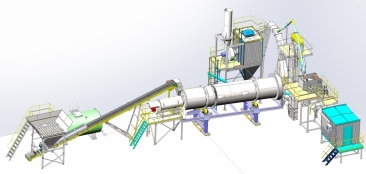
Drying Equipment for Mineral Materials: Technologies and Applications
28.09.2026258 Page views
learn more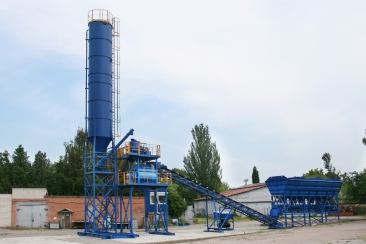
How to Calculate Cement, Sand, and Crushed Stone Requirements for a Concrete Plant
28.09.2026335 Page views
learn moreFind a dealer in your region
Leave a request
Оберіть мову контенту
comments