Ви можете обрати мову, якою в подальшому контент сайту буде відкриватися за замовчуванням, або змінити мову в навігації сайту
How to extend the service life of a concrete mixing plant (CMP): maintenance schedule and component wear monitoring
26.11.20252041 Page views
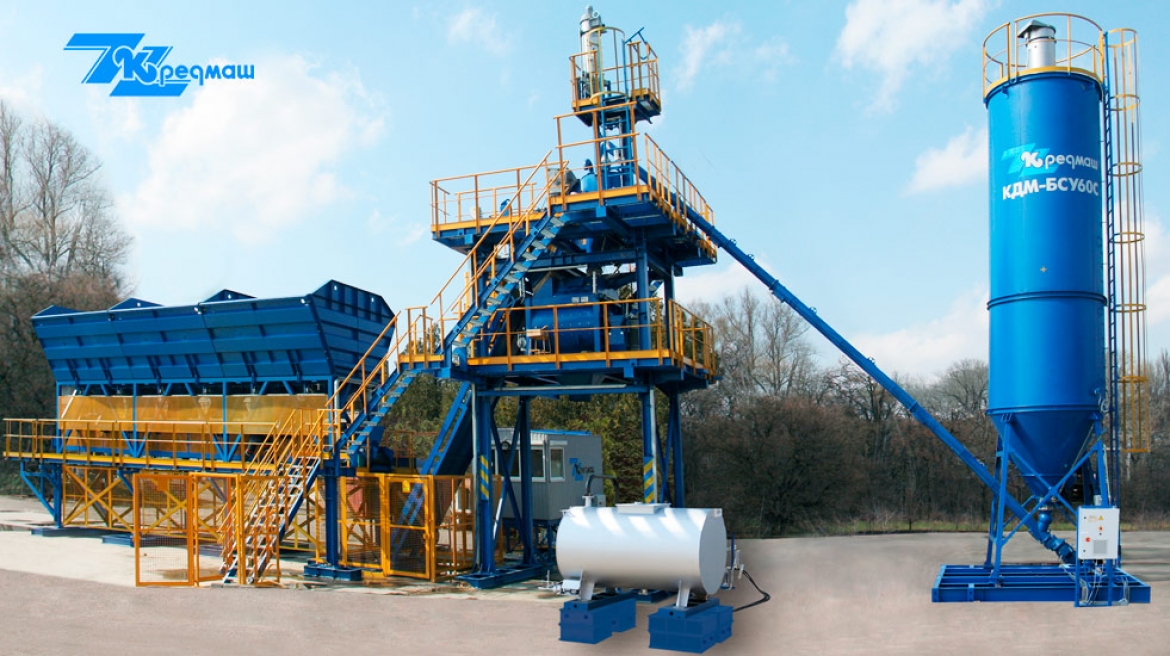
Every day, we see how the reliability and consistency of mix production depend on the condition of the equipment. Proper maintenance of concrete mixing plants, wear control, and timely replacement of parts extend the life of the complex and reduce costs. In this article, we share practices that help keep concrete mixing plants in excellent condition, plan maintenance, and prevent breakdowns.
Why CMP maintenance is key to stable enterprise operation
Maintenance regulations are about predictability. Based on years of experience, the Kredmash team recommends planning work to minimize downtime and keep costs under control. Timely inspection of components reduces the risk of accidents and ensures consistent mix quality. Working according to schedule is always cheaper than repairing “after the fact.”
Main components and mechanisms of the CMP: sources of wear and tear and risks of breakdowns
The mixing drum and gearbox are the most vulnerable components
The drum works with abrasive fillers, the blades wear out, and the seams require monitoring. The gearbox is sensitive to oil cleanliness and misalignment. Regular vibration and thermal diagnostics allow problems to be detected in advance. It is important to plan maintenance, as these are the most vulnerable components and assemblies of the unit.
Drives, augers, pneumatic systems, dispensers: checking for wear and tear on mechanisms
The condition of bearings and belt drives affects productivity. Screws wear out at the edges, dispensers “lose” accuracy due to backlash. Pneumatic valves suffer from dust and condensation – filters and dehumidification are necessary.
How abrasiveness, moisture, and overload affect the service life of CMP.
Hard fractions accelerate metal wear. Moisture promotes corrosion and sticking, and impairs dosing. Overload exceeds the design loads on drives and supports. The solution we recommend to our customers is to follow recipes, dry materials, and control the cycle.
CMP maintenance regulations: frequency, monitoring, and documentation
Our experience and customer practice show that it is best to control maintenance using a three-level approach: monthly, quarterly/annually:
● Every shift: visual inspection, leak check, cleanliness of sensors and platforms, noise/vibration control.
● Monthly: tightening of fasteners, checking belts and chains, condition of blades, calibration of weighers, oil analysis.
● Quarterly/annually: vibration analysis of reducers and drives, drum flaw detection, inspection of pneumatic lines, updating of lubrication charts, checking of automation systems.
Maintaining maintenance logs and checklists disciplines the process and speeds up auditing. Documentation helps compare wear trends, plan purchases, and reduce risks. Always check the details of the procedure within the scope of our warranty service.
Methods for diagnosing and monitoring wear of CMP components
We combine instrumental and visual methods: vibration analysis, thermography, ultrasonic wall thickness control, lubricant analysis, and dosage accuracy control. This provides a complete picture of the condition of the components.
Table “Signs of wear and recommended actions”
|
Node/mechanism |
Signs of wear |
Recommended actions |
|
Drum, blades |
Uneven mixing, noise, vibration |
Adjustment of clearances, replacement of blades, flaw detection of welds |
|
Reducer |
Elevated temperature, metal shavings in the lubricant |
Lubricant analysis, bearing inspection, alignment correction |
|
Dispensers/scales |
Discrepancies in the recipe, “floating” readings |
Calibration of load cells, elimination of backlash, cleaning of components |
|
Pneumatic system |
Slow response, condensation, leakage |
Air drying, replacement of valves/seals, filtration |
|
Conveyors/screw conveyors |
Slippage, uneven feed |
Tensioning the belt, replacing rollers/screws, checking the drive |
Typical failures of concrete mixing plants and methods of preventing them
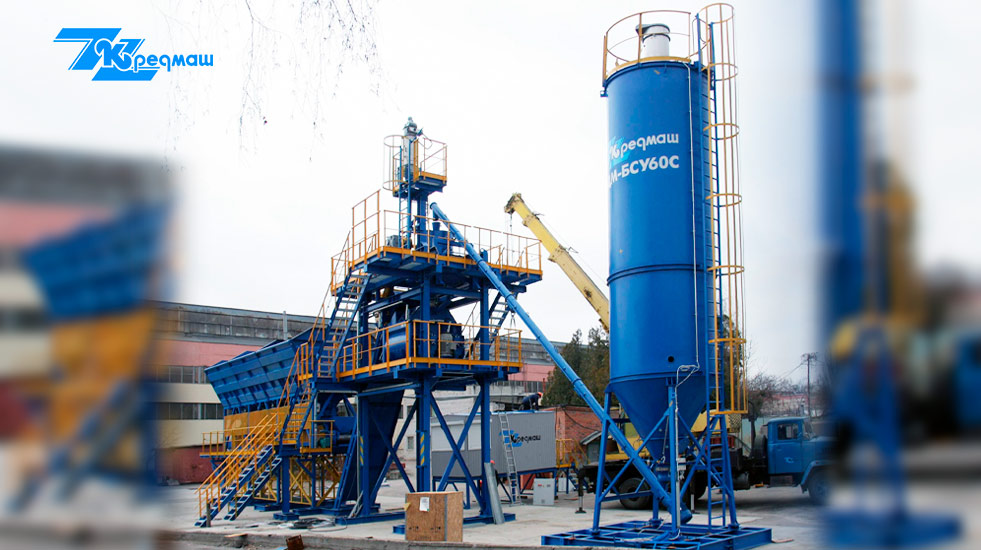
Common causes of downtime include seam opening and blade wear, drive misalignment, dosing errors, and pneumatic valve sticking. We prevent this with regular maintenance, high-quality lubricants, air filtration, and replacement of consumable parts. For components with a limited service life, timely modernization is recommended.
Replacing parts and upgrading CMP: when, how, and what to use to update equipment
Original or analog components – impact on service life and warranty
Original parts are stable in terms of size and material, ensuring precision and service life. This is important for maintaining the warranty and safety of operations.
Modernization: installation of sensors, lubrication systems, new drives
We add vibration/temperature sensors, centralized lubrication, and energy-efficient drives. This increases reliability, reduces costs, and extends the service life of components. We specify the list of solutions and compatibility through our spare parts department.
Digital solutions for maintenance: predictive analytics and IoT monitoring
We implement online performance monitoring, cycle counters, and vibration/temperature trend analytics. The system warns of deviations before a failure occurs. This reduces unplanned downtime and helps with inventory planning.
Economic efficiency of systematic technical maintenance
Timely maintenance reduces emergency shutdowns and emergency repair costs. Reduced mix waste and energy savings directly improve margins. By working according to regulations, you extend the life of your equipment and simplify production scaling. Modern asphalt mixing plants have a long service life with timely maintenance, making your business stable and predictable.
We are confident that clear maintenance regulations, wear control, timely replacement of parts, and targeted modernization are the shortest path to stable quality and low cost.
If you need advice on maintenance schedules, component selection, or CMP upgrades, please contact us. We will help you develop an action plan and provide the necessary components.
Publish in social networks
Blog
see all
Drying Equipment for Mineral Materials: Technologies and Applications
28.09.2026258 Page views
learn more
How to Calculate Cement, Sand, and Crushed Stone Requirements for a Concrete Plant
28.09.2026335 Page views
learn moreFind a dealer in your region
Leave a request
Оберіть мову контенту
comments