Ви можете обрати мову, якою в подальшому контент сайту буде відкриватися за замовчуванням, або змінити мову в навігації сайту
An integrated approach to concrete mixing plant supply: why turnkey installation reduces customer risks and costs
02.03.20261676 Page views
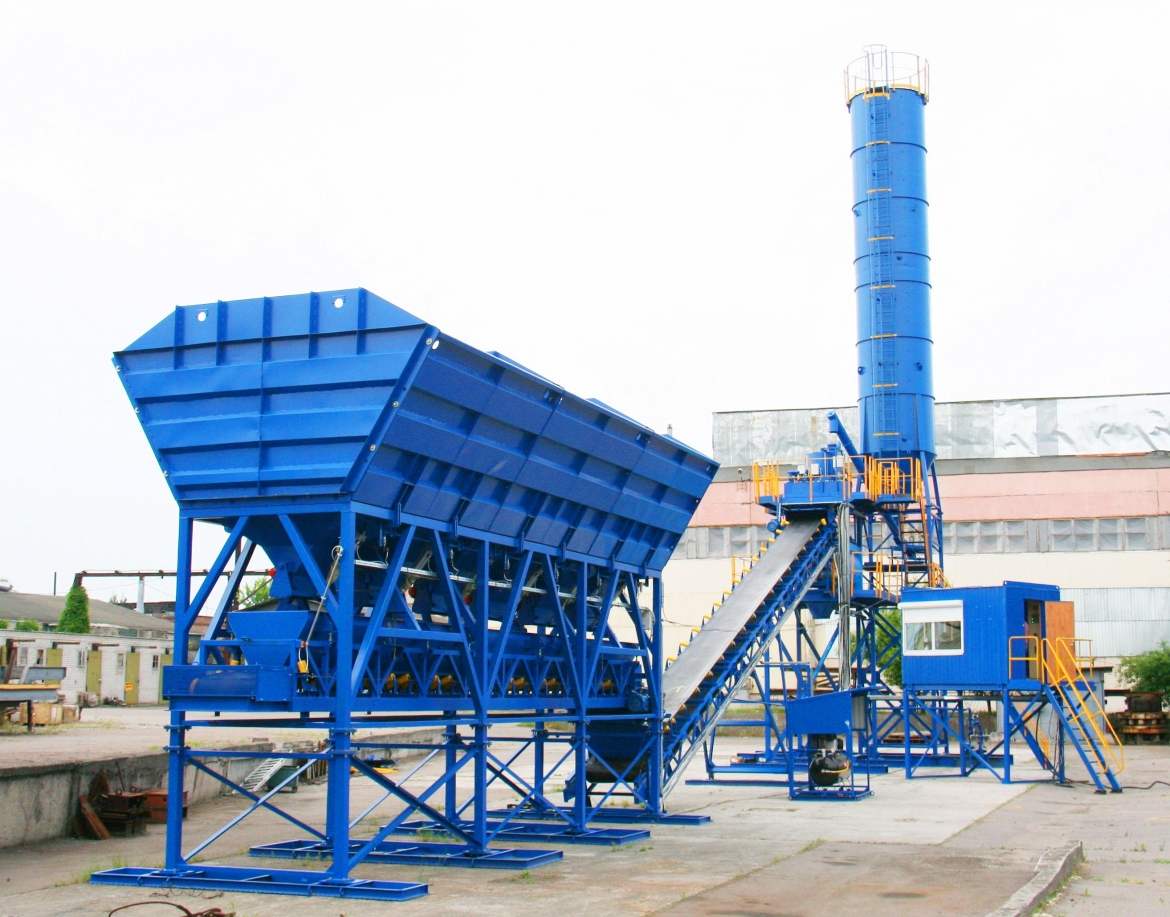
Ordering a turnkey concrete mixing plant solves the main problems of concrete production: missed deadlines, equipment inconsistencies, and budget increases. Disjointed supply complicates project management and increases risks. A comprehensive concrete mixing plant supply from a single contractor simplifies control and reduces operating costs. This approach is especially important when launching a new concrete plant or upgrading an existing facility.
What is a turnkey concrete mixing plant and why is it needed?
Definition and components of a turnkey concrete mixing plant
A turnkey concrete mixing plant is more than just the equipment. It includes concrete plant design, supply and installation of the concrete mixing plant, commissioning of the concrete mixing plant, and start-up. The customer receives a ready-to-operate concrete mixing plant without the need for multiple contractors.
The plant includes:
- mixer, silos, batchers, and conveyors;
- automation system and quality control;
- Installation and commissioning of the concrete mixing plant at the customer's site;
- Personnel training and service support.
The integrated approach eliminates the need for the customer to coordinate dozens of contractors. All stages are integrated into a single system. The concrete plant design takes into account installation and future operation. This eliminates conflicting technical solutions at different stages.
Why is integrated supply from a single contractor necessary?
Supplied concrete mixing plants from a single contractor eliminate conflicting responsibilities. All stages are overseen by a single contractor. This reduces the likelihood of errors at the interface between design and installation. Project management becomes transparent and predictable.
Advantages of integrated supply of a concrete plant
Project risk reduction
Integrated supply of a concrete plant reduces technical and organizational risks. There are no discrepancies between equipment suppliers. Responsibility for the result lies with a single company.
The main risks of disjointed supply:
- Incompatibility of components;
- Delays in deadlines;
- Budget overruns;
- Commissioning difficulties.
Scattered delivery often leads to disputes. Each contractor is responsible only for their own portion. As a result, the customer becomes the coordinator and bears additional risks. When working through a single contractor, responsibility and guaranteed results are centralized.
Optimization of Timelines and Costs
Installing a concrete mixing plant according to a unified schedule accelerates the commissioning of the facility. Designing and supplying a concrete mixing plant tailored to the customer's requirements takes into account actual site conditions. This reduces rework and additional costs.
The customer saves on:
- Logistics and contractor coordination;
- Resolving integration errors;
- Protracted approvals.
When supply and installation of the concrete mixing plant are performed by a single company, the schedule is synchronized in advance. There is no downtime between stages. The number of unscheduled adjustments is reduced. This directly impacts the final cost of the turnkey concrete mixing plant. Guaranteed full equipment compatibility
All components are selected within a single project. The automation system operates correctly with batchers and sensors. Commissioning is quicker and requires no modifications.
Installation and commissioning of the concrete mixing plant: the key to stable operation
Concrete mixing plant installation stages
The delivery and installation of the concrete mixing plant include a clear work sequence. This allows for quality control at every stage.
Key stages:
- Site and foundation preparation.
- Installation of metal structures and equipment.
- Connecting utility lines.
- Testing of automation and sensors.
A clear sequence helps avoid rework. Each stage is accepted and documented. This increases project transparency. As a result, the concrete plant is commissioned without hidden defects or delays.
Commissioning and testing
Commissioning of the concrete mixing plant is carried out after installation is complete. Batching accuracy and the correctness of the recipes are verified. Trial mixes and load testing are performed. Commissioning includes:
- batcher calibration;
- automated control system setup;
- performance testing;
- operator training.
Commissioning of the concrete mixing plant completes the delivery cycle. At this stage, not only the equipment but also the control logic is tested. Any deviations are corrected before reaching the design load. This significantly reduces startup risks.
Why commissioning is critical for risk reduction
Without high-quality commissioning, it is impossible to guarantee the stable operation of a concrete mixing plant. Errors at this stage increase the operating costs of the concrete mixing plant. A comprehensive contractor is responsible for the results and ensures the system meets regulatory standards.
Turnkey Concrete Mixing Plant Cost
Cost Components
The turnkey cost of a concrete mixing plant is comprised of several elements. It is important to consider more than just the equipment price.
The structure includes:
- concrete plant design;
- components and assemblies;
- concrete mixing plant installation;
- commissioning;
- service support
It is important to consider not only the initial equipment cost. A significant portion of expenses comes from modifications and rework when components are supplied separately. A turnkey concrete mixing plant helps avoid hidden costs, making the project budget more predictable.
Savings with comprehensive turnkey supply
At first glance, a turnkey solution may seem more expensive. However, the total project cost is often lower. The absence of rework and downtime reduces overall expenses. The client receives a predictable budget and clear timelines.
Customized design and delivery of a concrete plant
Designing a concrete plant to client specifications
Every concrete plant has unique requirements. Production volume, mix types, and site conditions vary. Designing a concrete plant begins with analyzing these parameters.
Considerations include:
- Required capacity of the concrete mixing plant (CMP);
- Climatic conditions;
- Logistics of aggregate materials;
- Integration with existing infrastructure.
This approach reduces project risks and ensures long-term stability.
Turnkey supply and installation for specific client needs
A turnkey concrete mixing plant can be tailored to specific requirements. Modular configurations and phased expansion are possible. PrJSC “Kredmash,” as a single contractor, coordinates both the design and delivery of the plant according to client specifications.
Comprehensive turnkey delivery simplifies site management. All decisions are agreed upon in advance, and commissioning proceeds without critical delays.
Conclusion
A turnkey concrete mixing plant minimizes project risks, optimizes costs, and ensures reliable operation. A single contractor is responsible for design, supply, and installation, simplifying project management and making the budget predictable.
Choosing PrJSC “Kredmash” as your partner guarantees a fully coordinated turnkey delivery of your concrete plant. If you are considering a turnkey CMP, contact our managers, and we will select the optimal equipment solution for your needs.
Publish in social networks
Blog
see all
Drying Equipment for Mineral Materials: Technologies and Applications
28.09.2026258 Page views
learn more
How to Calculate Cement, Sand, and Crushed Stone Requirements for a Concrete Plant
28.09.2026335 Page views
learn moreFind a dealer in your region
Leave a request
Оберіть мову контенту
comments