Ви можете обрати мову, якою в подальшому контент сайту буде відкриватися за замовчуванням, або змінити мову в навігації сайту
Concrete Mixing Plant (CMP) Weigh Batching System: Accuracy, Efficiency, and Benefits for Concrete Production
07.01.20261980 Page views
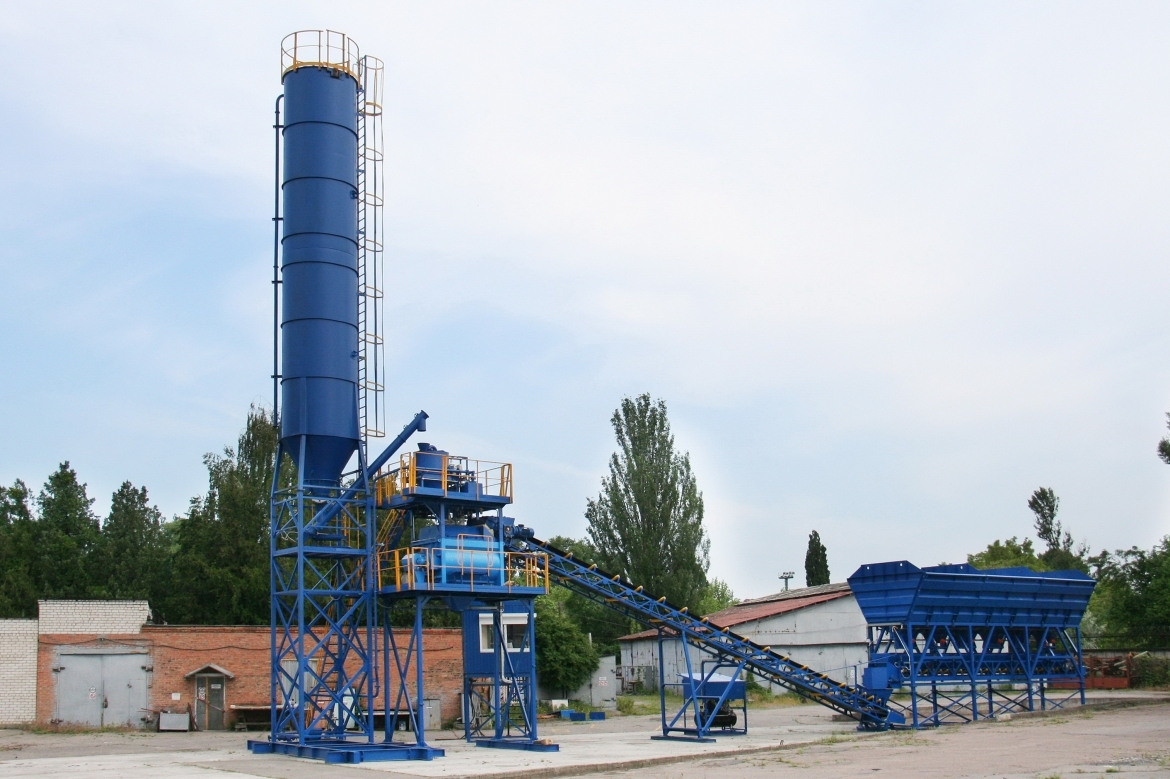
Batching accuracy determines the strength and stability of the concrete mix, thereby determining the project's timeliness, cost, and quality. Any excess water or inert components will result in variations in properties and increased defects.
A concrete mixing plant (CMP) weigh batching system is the most accurate and predictable method of feeding materials. It reduces recipe variations, speeds up the cycle, and ensures control at every batch.
Operating principles of a weighing batching system
Main components: bins, sensors, scales, controllers
The system includes storage bins, high-sensitivity load cells, weighing platforms, and controllers. The sensors convert the load into a signal, which the controller reads and controls the valves, augers, and valves. Interfaces display the actual weight and deviations from the target value. A batch archive records data for quality audits.
Precise weighing technology for inert materials
Material is fed in portions until the specified weight is reached. A coarse/fine mode with adaptive flow braking is used. Vibrations and external interference are compensated for, and calibration is taken into account. The algorithm eliminates overspending and ensures consistent batches per shift.
The influence of accuracy on the quality of the concrete mixture
A stable mass of inerts holds the calculated water-cement ratio. The mixture gets predictable mobility and structure uniformity. The risk of delamination and water separation is reduced. The strength and durability of the structure become repeatable.
Calibration and adjustment in the concrete mixing plant
Calibration is carried out on reference loads with fixed coefficients. Adjust signal filtering and time delays. Zero and tare are regularly checked after service. Each concrete mixing plant produced by PJSC "Kredmash" has its own set-up and calibration regulations.
Economic efficiency of the weighing system
Reduction of losses of inert materials
Accurate mass selection reduces the risk of overfilling and correction with water. Less waste when cleaning and changing. The material balance is converging, it is easier to plan purchases. We recommend implementing weighing systems as an optimal tool for the efficient operation of your installation.
Minimizing Concrete Mix Defects
Stable batches reduce rework, returns, and concrete mixer truck downtime. The risk of non-compliance with the specified strength and flowability is reduced. Recipe control reduces intershift variability.
Reduced setup time and production cycles
Automated fine-feeding accelerates mass gain without overspending. Fewer stops for water and plasticizer adjustments. The mixing cycle becomes shorter and more uniform.
Cost comparison with belt and volumetric systems
Based on our many years of experience in mixing plant production, we can confidently say that belt and volumetric systems are cheaper initially, but inferior in accuracy and repeatability. They require more adjustments and produce greater mass variation. The weighing system pays for itself through savings in aggregates, reduced defects, and increased output.
Weighing System Integration into Concrete Mixing Plants
Impact on Concrete Mixing Plant Performance
Accurate feed speeds up batch start-up and reduces bottlenecks. Cycle times are stabilized, and production schedules become predictable. With proper configuration, actual productivity increases without overloading. Therefore, we recommend our clients implement weighing systems.
Compatibility with Automated Systems (SCADA, PLC)
Controllers communicate with PLCs and SCADA systems. Recipes, logs, alarm messages, weight trends, and batching speeds are available. Integration simplifies on-site quality analysis and auditing.
Maintenance and Diagnostics
We routinely check sensor fasteners, cables, and bin tightness and cleanliness. We also conduct linearity tests and zero drift monitoring. Diagnostics help identify overloads, material sagging, and valve wear.
Operation and Maintenance Recommendations
We recommend keeping bins dry and clean and using vibrators correctly in accordance with technical and operational requirements. Conduct seasonal recalibration of equipment, maintain a measurement log, compare trends across shifts, and update controller software according to regulations – and your production will be efficient and stable.
Conclusion
A weighing dosing system is a strategic advantage for a batching plant. It reduces inert material consumption and the number of adjustments, minimizes defects, and speeds up the cycle. Production achieves consistent recipes, predictable quality, and clear savings. Accurate dosing pays off the investment and increases the competitiveness of your plant.
For a consultation on the selection and implementation of a dosing system, please contact our managers.
Publish in social networks
Blog
see all
Drying Equipment for Mineral Materials: Technologies and Applications
28.09.2026258 Page views
learn more
How to Calculate Cement, Sand, and Crushed Stone Requirements for a Concrete Plant
28.09.2026335 Page views
learn moreFind a dealer in your region
Leave a request
Оберіть мову контенту
comments