Ви можете обрати мову, якою в подальшому контент сайту буде відкриватися за замовчуванням, або змінити мову в навігації сайту
Vertical vs. Horizontal Bitumen Storage Tanks: Which Is the Right Choice for an Asphalt Mixing Plant?
09.11.202639 Page views
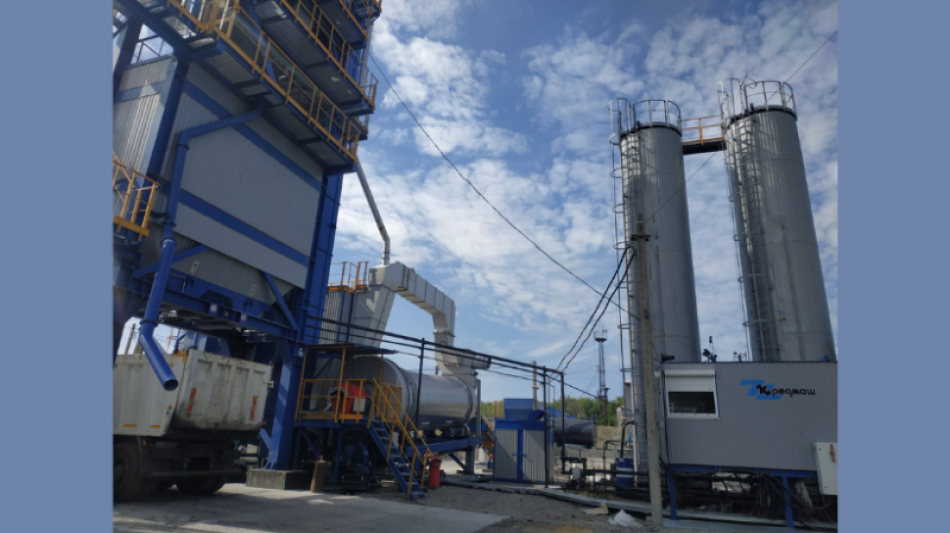
An asphalt mixing plant’s bitumen handling system starts with binder storage. The bitumen storage tank determines how much bitumen the plant can keep in reserve and the condition in which it is supplied to the metering system. Manufacturers offer two main configurations: vertical and horizontal tanks, each with its own advantages. This article examines their differences in terms of storage capacity, heating systems, thermal insulation, and operating requirements. It also includes a comparative table, an overview of Kredmash equipment specifications, and key criteria to consider when selecting the right tank for an asphalt mixing plant.
learn more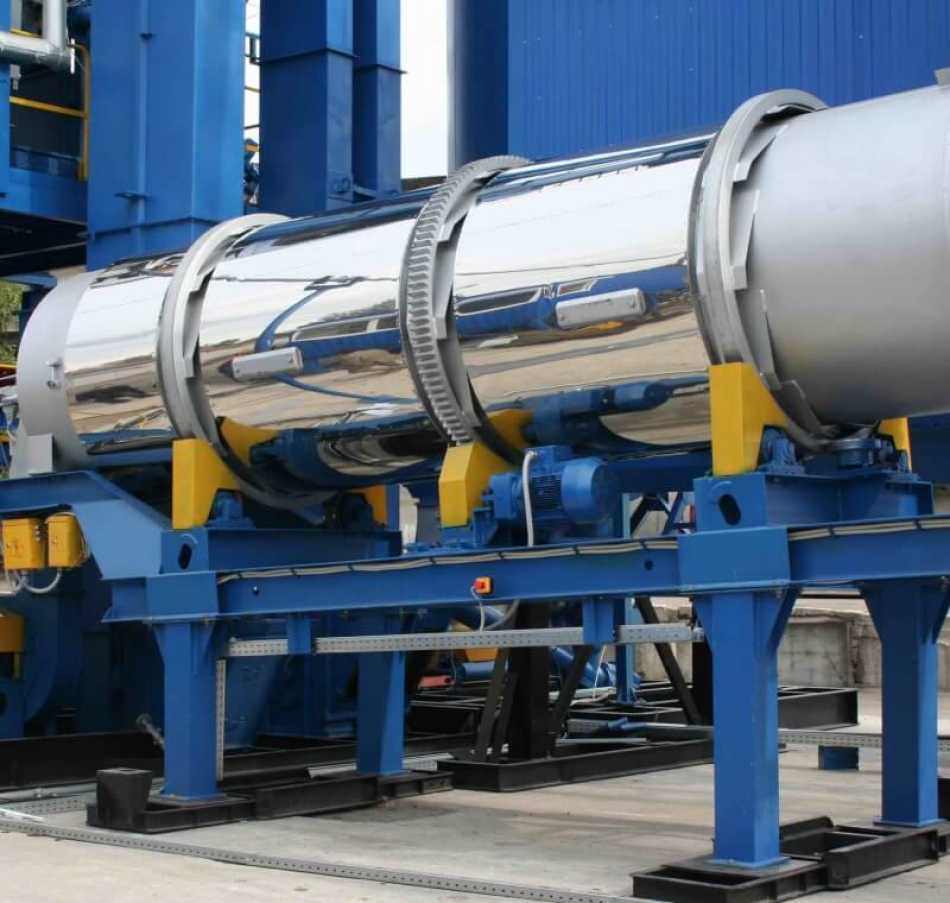
How Aggregate Moisture Content Affects Fuel Consumption at an Asphalt Mixing Plant
09.11.202633 Page views
Aggregate moisture content is one of the key factors affecting fuel consumption at an asphalt mixing plant (AMP). Every additional percentage point of moisture in the aggregate requires the burner to expend energy evaporating water before the material can be heated to the required operating temperature. As a result, drying costs increase, plant productivity decreases, and the overall cost of asphalt production rises. This article explains the relationship between aggregate moisture content and fuel consumption, how to quantify the resulting losses, and which measures can help reduce them.
learn more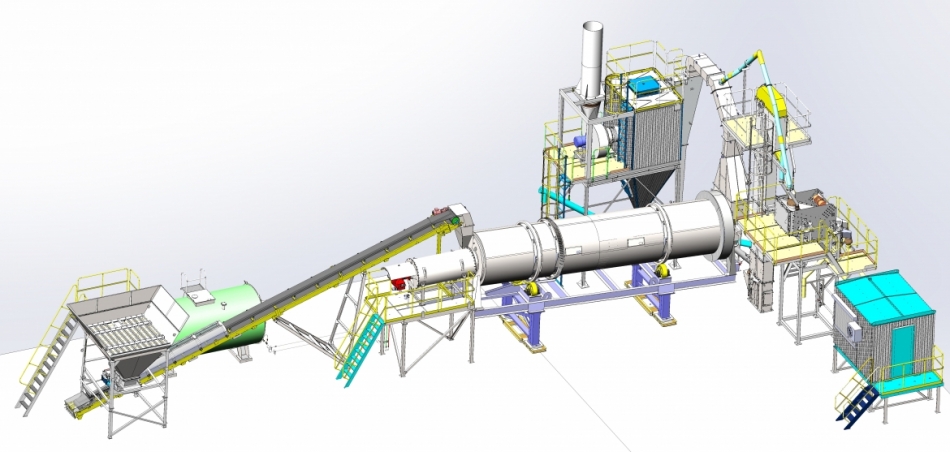
Drying Equipment for Mineral Materials: Technologies and Applications
28.09.2026462 Page views
Industrial drying equipment for mineral materials is a critical part of the process chain at many manufacturing facilities. Excess moisture in raw materials can reduce the quality of finished construction products and significantly increase fuel consumption during subsequent processing stages. Thorough thermal conditioning of bulk components ensures stable physical and chemical properties of the produced mixtures. In this article, we take a detailed look at the types of drying units available on the market and explain how to select a reliable drying system for specific industrial requirements.
learn more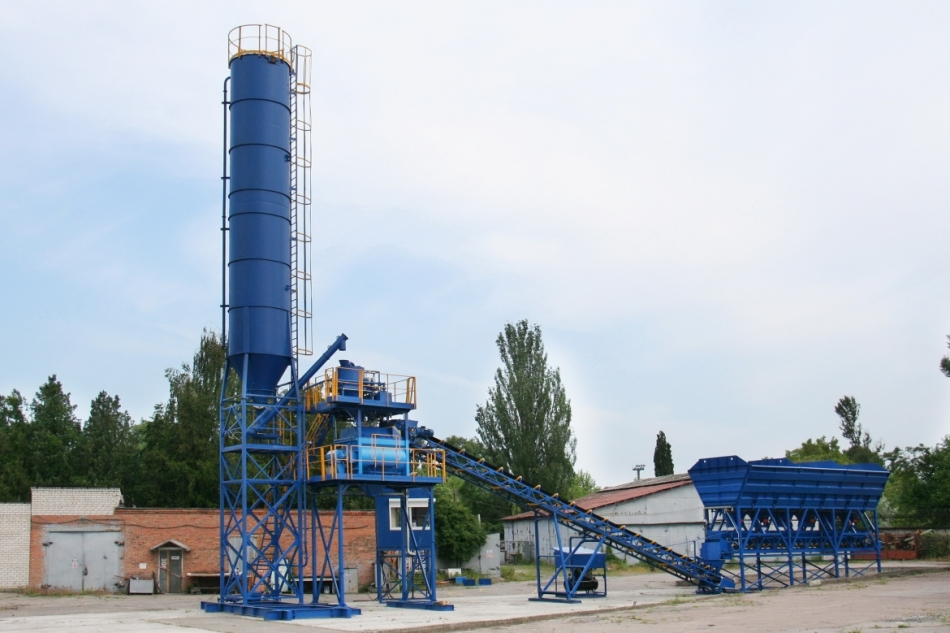
How to Calculate Cement, Sand, and Crushed Stone Requirements for a Concrete Plant
28.09.2026623 Page views
Accurate calculation of raw material requirements is fundamental to the stable and profitable operation of any road construction enterprise. Errors in inventory planning can result in forced equipment downtime or, conversely, the deterioration of costly materials due to excessive storage. In this article, we take a detailed look at the key factors affecting production costs and provide a clear, step-by-step calculation method. You will learn how to determine the baseline consumption of materials per 1 m³ of concrete and how to accurately scale these figures to the annual production volume.
learn more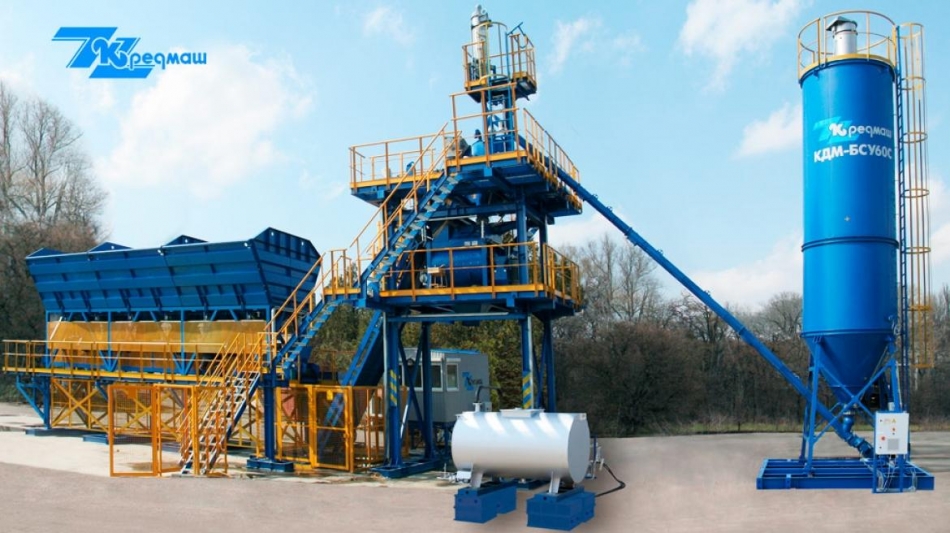
Concrete Batching Plants with Capacities of 60, 90 or 120 m³/h: how to choose the right production capacity
08.09.2026722 Page views
Choosing the right concrete batching plant capacity directly affects total production output, equipment utilization and the overall financial efficiency of the business. A modern concrete batching plant should fully meet current market demand without placing excessive loads on its key components. In this article, we will take an in-depth look at how to choose the right production capacity using the popular industrial models with capacities of 60, 90 and 120 m³/h as examples. When planning a large-scale upgrade of your equipment fleet, consider advanced concrete batching plants designed to ensure excellent homogeneity of the produced concrete mix.
learn more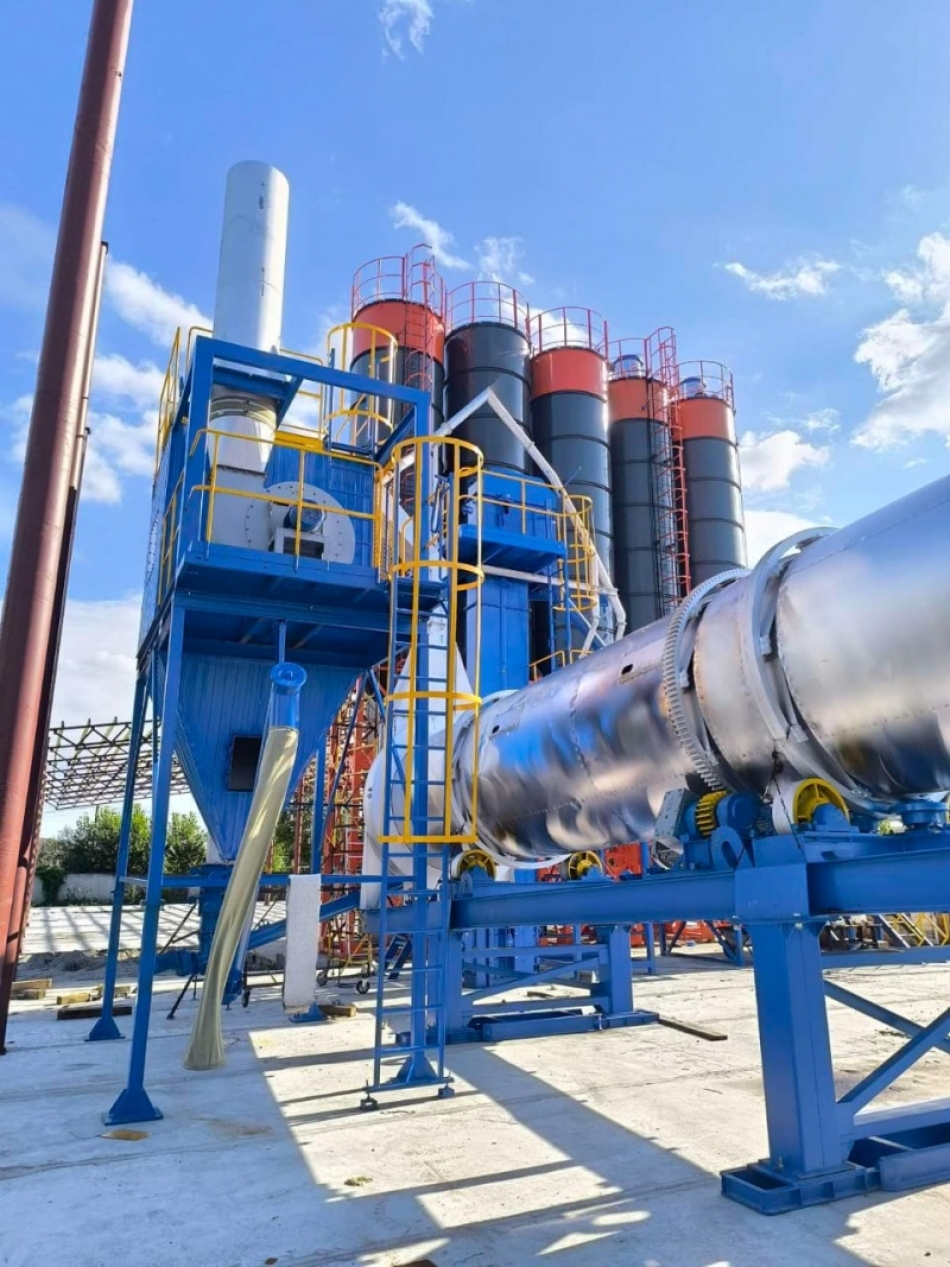
From Sand Drying to Packaging: The Complete Production Process for Dry Construction Mixes
08.09.2026757 Page views
Professional production of dry construction mixes is a multi-stage process that requires a high level of precision at every step. It includes several sequential stages: raw material preparation, sand drying and classification, batching, mixing, quality control, and packaging. The consistency of the finished product directly depends on the proper organization and control of each stage of the production process. When scaling up their operations, companies should consider reliable concrete batching plants that can comprehensively meet the related equipment needs of the modern construction materials industry.
learn more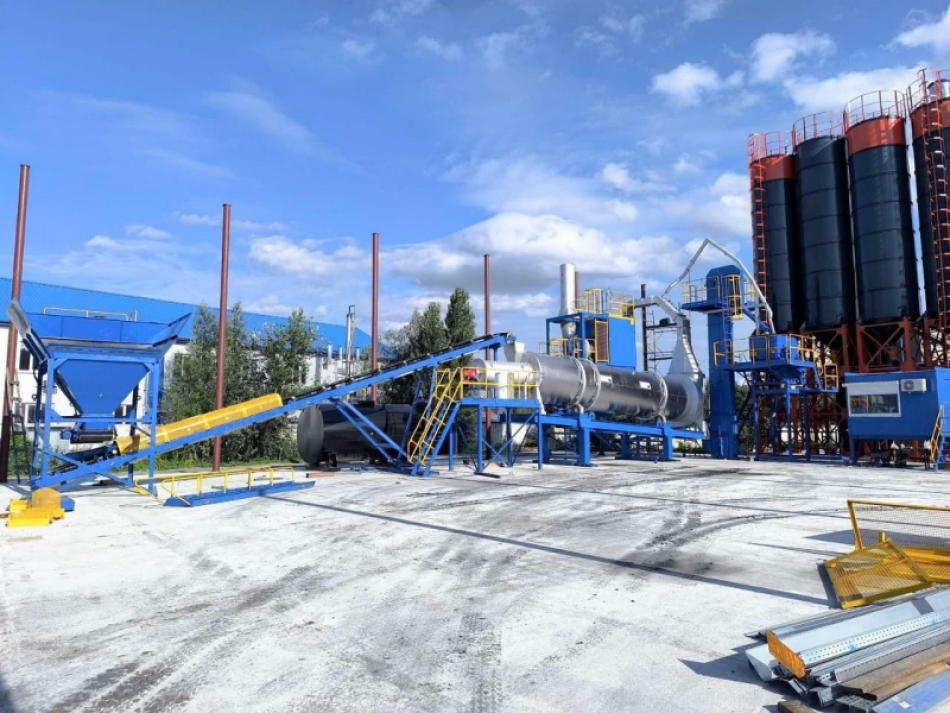
Dry Mix Production Line: Equipment Configuration
03.08.20261009 Page views
A modern dry mix production line is an industrial system designed for the manufacture of high-quality construction materials. This equipment performs the essential task of ensuring a stable supply of masonry mortars, plaster mixes, tile adhesives, and other dry building products for construction projects. A properly selected equipment configuration has a direct impact on the final product quality, defect reduction, and overall production profitability. When planning to expand production capacity, it is advisable to consider reliable concrete batching plants, which effectively complement the capabilities of a dry mix manufacturing facility.
learn more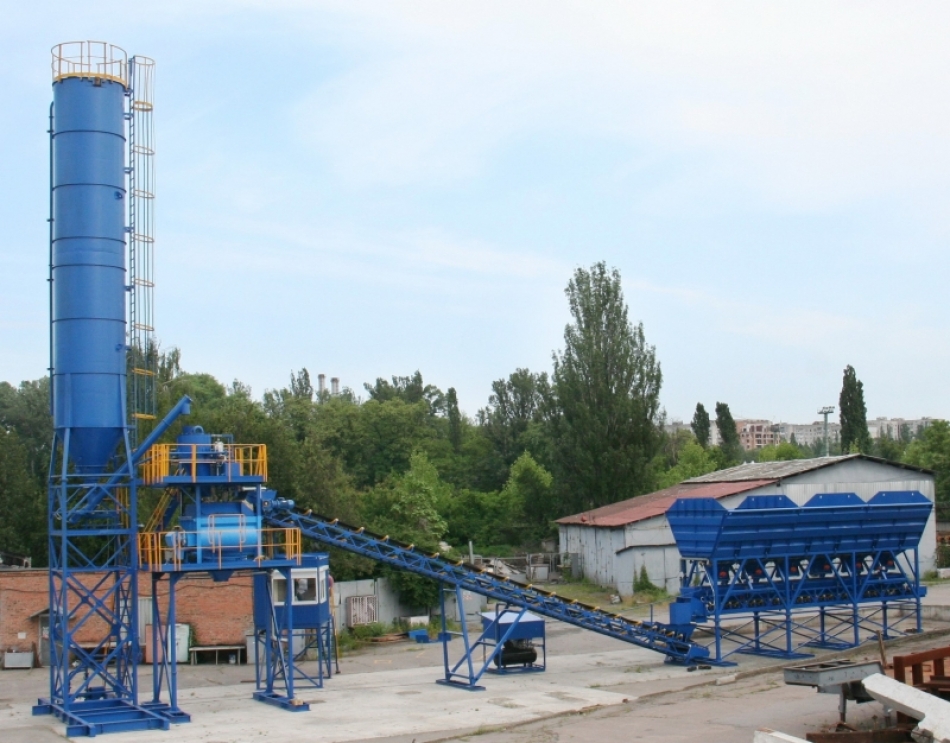
Concrete Batching Plant Automation: Key Functions of Modern Control Systems
03.08.20261063 Page views
Modern concrete batching plant automation is the intelligent core of an industrial production facility, ensuring uninterrupted manufacturing of high-quality concrete mixes. Today, it is impossible to imagine an efficient concrete batching plant (CBP) operating without a reliable microprocessor-based control system. A well-designed concrete production automation system directly affects the final strength of concrete, eliminates human error, and significantly reduces production costs per cubic meter of mix. By choosing modern concrete batching plants, manufacturers obtain high-tech equipment fully prepared for commercial production in compliance with applicable industry standards.
learn more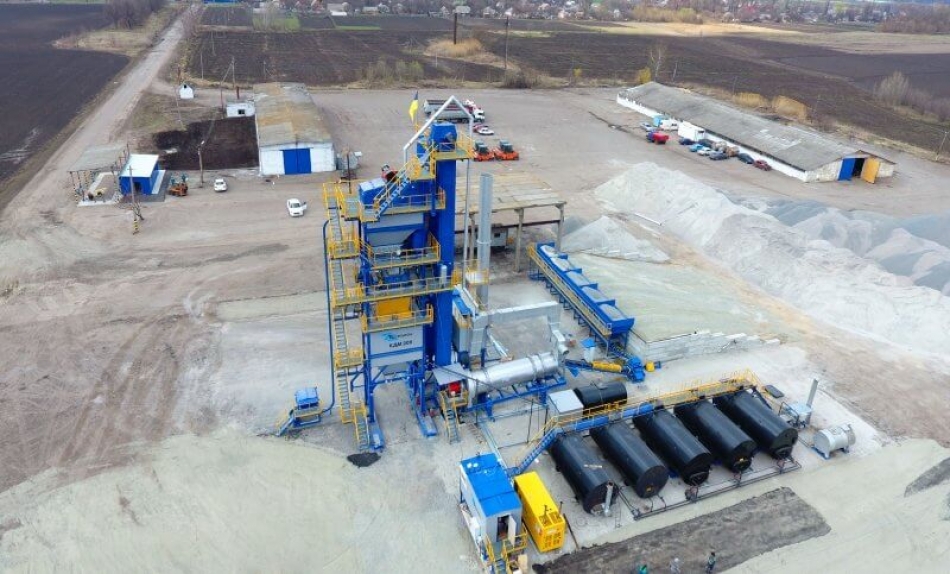
Asphalt mixing plant: what is an asphalt mixing plant, how does it work, and what does it consist of?
23.07.20261431 Page views
Road construction requires reliable equipment for producing hot mixes. In this article, we'll explore what an asphalt mixing plant is, how it's designed, and the factors that influence the asphalt production process. You'll learn about the different types of asphalt mixing plants and their key differences. The main goal is to explain the plant's structure and how asphalt mixing is carried out, a process that requires high precision.
learn more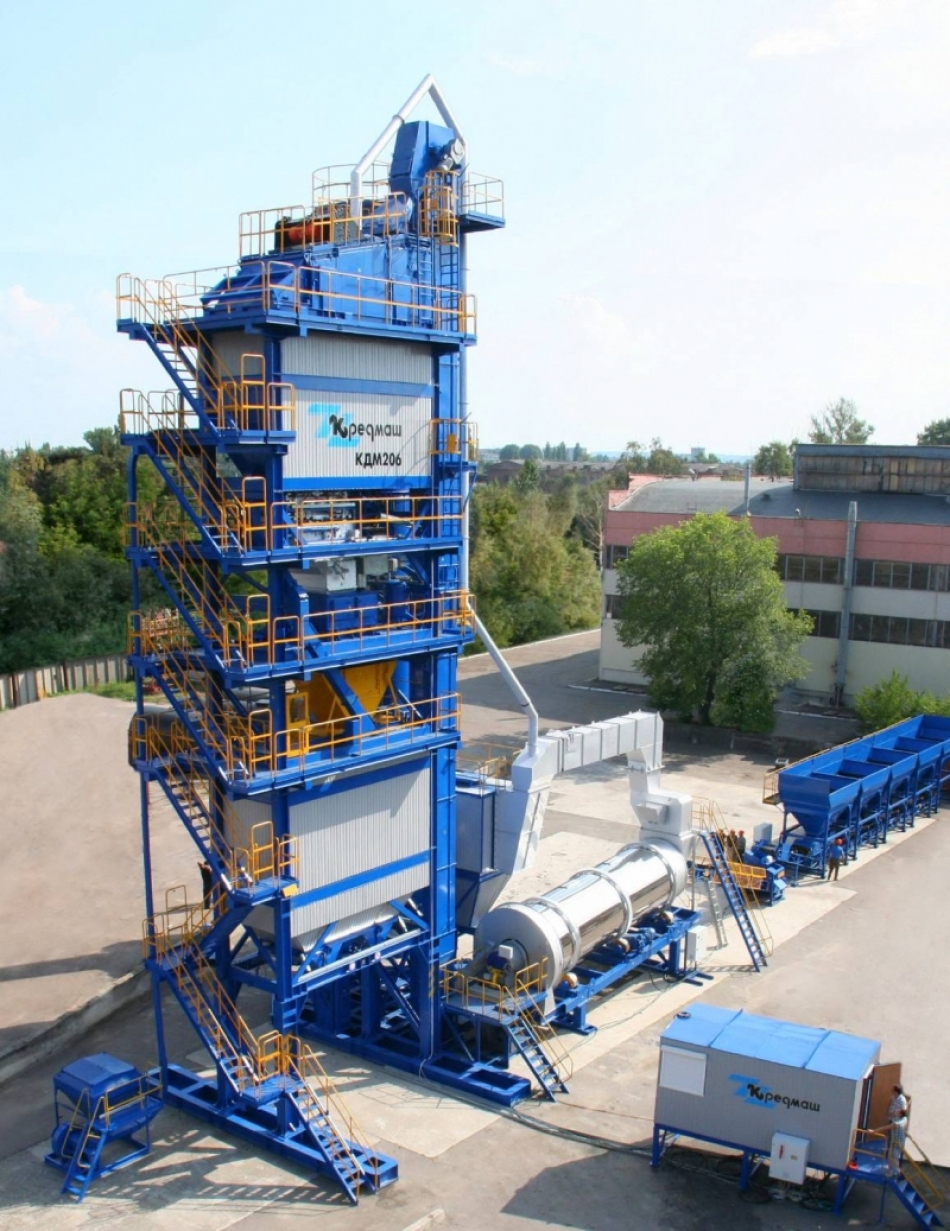
Asphalt Mixing Plant Productivity: How to Improve Plant Efficiency and Optimize AMP Performance
23.07.20261009 Page views
High productivity of an asphalt mixing plant is a key factor in the profitability of any road construction enterprise. Compliance with national and international quality standards requires proven engineering solutions to ensure the stable production of high-quality asphalt mixtures. This article examines the key factors affecting asphalt mixing plant productivity and explores practical methods for increasing production capacity through automation, equipment modernization, and process optimization, ultimately reducing the production cost per tonne of asphalt mixture.
learn moreFind a dealer in your region
Leave a request
Оберіть мову контенту